For many speech-language pathologists, occupational therapists, and myofunctional providers, billing and documentation feel like navigating an ever-shifting maze. Between selecting appropriate CPT codes, justifying medical necessity, and adhering to strict scope-of-practice guidelines, clinicians often struggle to ensure proper reimbursement while remaining compliant.
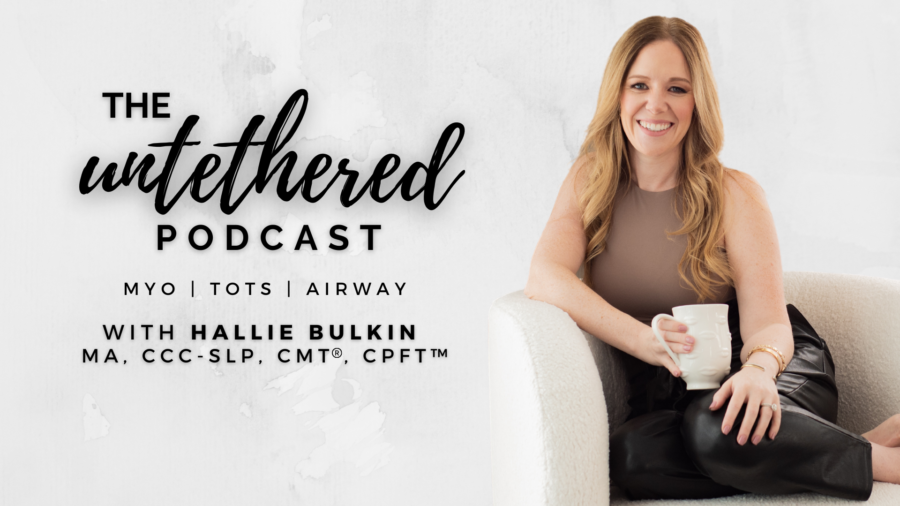
In this episode, Hallie Bulkin breaks down the essential mechanics of billing for myofunctional therapy services. She addresses common points of confusion around core codes – such as CPT 92526 (treatment of swallowing dysfunction and/or oral function for feeding) and 92507 (speech/language treatment) – and offers practical strategies for documenting functional gains accurately.
Hallie also previews upcoming CPT code updates slated for 2027, shedding light on how these structural changes will impact private pay practices, electronic health records (EHRs), and clinical workflows. Whether you are navigating insurance reimbursement or operating an out-of-network practice, this episode equips you with the clarity needed to code with confidence and integrity.
Key Topics & Takeaways
- Deconstructing CPT 92526 vs. 92507: Clarifying the distinct clinical applications for swallowing/feeding dysfunction versus speech and language treatment.
- The 2027 CPT Code Shift: Preparing your practice, EHR templates, and clinical documentation for upcoming coding structure changes.
- Scope of Practice & Provider Eligibility: Understanding state licensing, board regulations, and billing qualifications across different therapeutic disciplines.
- Defensible Documentation: Crafting objective, function-focused clinical notes that justify medical necessity and withstand insurance audits.
- Out-of-Network & Private Pay Strategies: Equipping cash-pay practices with accurate super/ superbill documentation to help patients seek reimbursement seamlessly.
Soundbites
“A CPT code isn’t just a billing number – it is a translation of your clinical documentation and direct scope of practice.”
“When preparing for coding changes, proactive documentation systems protect both your practice and your patients.”
“Bill for what you treat, document what you see, and ensure every note clearly establishes functional necessity.”
Timestamps
- 00:00:00 – 3 Verification Steps Before Coding
- 00:04:23 – Deep Dive: Myo & CPT Code 92526
- 00:06:37 – Reporting 92526 & 92507 Together
- 00:09:45 – Provider Scope & License Boundaries
- 00:13:47 – Dental Hygienist (RDH) Reimbursement Reality
- 00:15:53 – Strong vs. Weak Documentation Examples
- 00:18:16 – Private Pay & Superbill Responsibilities
- 00:19:42 – 2027 Deletion of 92507
- 00:20:47 – Why 92507 Was Flagged by AMA/CMS
- 00:26:26 – Private Practice Transition Strategy
- 00:27:43 – Clinical Reasoning vs. Endless Exercises
- 00:29:01 – Immediate Action Plan
Links & Resources
- Fast Myo Screening Tool: Streamline your intake documentation and baseline evaluations at FastMyoScreening.com.
WORTH A LISTEN: CONTINUE YOUR JOURNEY
- Screening vs. Assessment vs. Treatment: Why Every Clinician Needs to Know the Difference.
- How Root Cause Assessment Changes Feeding and Speech Outcomes.
STAY CONNECTED
💬 Join the Conversation: Catch behind-the-scenes business tips, billing insights, and daily clinical pearls on Instagram | Facebook | LinkedIn.
If this episode helped clarify your billing, documentation, or CPT coding practices, please take a quick second to leave a review! Your support helps us share these vital business and clinical insights with therapists everywhere.